
What Is Kombucha?
What is Kombucha? A fizzy, tangy drink with ancient roots, kombucha has made its way from the far corners of Asia into the homes of health-conscious individuals across the globe. But is it truly the miracle beverage it’s claimed to be?
In this article, we’ll uncover the science-backed benefits of fermented foods for your microbiome, explore what studies say about kombucha, and most importantly—learn how to make it at home easily and affordably.
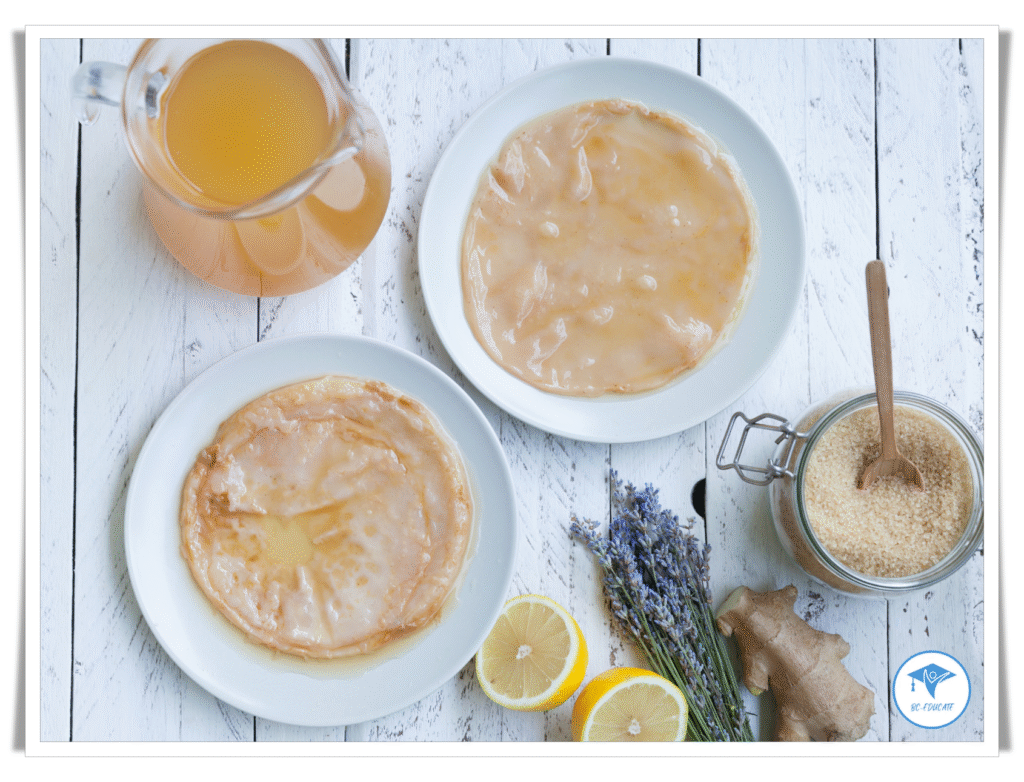
Kombucha is a refreshing, slightly carbonated drink with a sour, tangy bite. It’s made through a natural fermentation process using green or black tea, sugar, and a living culture known as SCOBY (Symbiotic Culture of Bacteria and Yeast).
The SCOBY transforms the sweet tea into a probiotic-rich beverage full of organic acids, enzymes, and beneficial microbes—essentially turning it into a living drink.

Natural Flavor Variations
Kombucha’s roots trace back over 2,000 years to Manchuria, a region in northeastern China. It was consumed as a healing tonic as early as the third century BCE. The drink made its way to Europe in the 20th century, gaining popularity in Russia, where it was often homemade and used as a folk remedy.
In recent years, kombucha has seen a surge in popularity worldwide, fueled by increasing interest in gut health, natural remedies, and fermented foods. Often called the “elixir of life,” it’s praised for aiding digestion and boosting immunity.
But what does science actually say?
What the Science Says About Kombucha
So far, most studies on kombucha have been conducted in vitro (on cells) or on animals, but the results are promising. Here’s what we know:
✳️ Rich in Antioxidants
Kombucha is high in antioxidants, especially when fermented longer. However, extended fermentation also increases its acidity, giving it a sharp vinegar-like taste due to acetic acid buildup.
✳️ Full of Functional Compounds
- Polyphenols
- Glucuronic acid – supports liver detoxification
- Lactic & acetic acid – known for antimicrobial properties
These compounds help create a stable microbial ecosystem where only beneficial bacteria and yeasts can survive.
✳️ Anti-Inflammatory and Antimicrobial Effects
Due to its fermentation process, kombucha has shown antimicrobial effects that may support gut health and prevent the growth of harmful pathogens. Some early lab studies also suggest anti-cancer potential, as kombucha inhibited the growth of malignant cells in vitro.
✳️ Heart and Blood Sugar Benefits
Animal studies suggest kombucha may help:
- Protect heart tissue by reducing oxidative stress
- Improve insulin sensitivity
- Help regulate blood sugar levels
- Support weight control
While these benefits are encouraging, human trials are still needed to confirm the full extent of kombucha’s health potential.
The Stanford Study on Fermented Foods and Microbiome Health
Although direct human studies on kombucha are limited, a groundbreaking study from Stanford University focused on the impact of fermented foods on the human microbiome.
🔬 The Study:
- 36 adults followed either a high-fiber or high-fermented food diet for 10 weeks.
- Results? Only the fermented food group saw a significant increase in microbial diversity.
- They also experienced a reduction in 19 inflammatory markers in their blood.
This research underscores the power of fermented foods—like kombucha—in supporting gut health and reducing chronic inflammation, a key factor in many modern diseases.
Additionally, four types of immune cells showed reduced activity in participants who consumed fermented foods. Blood tests also revealed lower levels of 19 inflammatory proteins. Among these was interleukin-6, a protein associated with conditions such as rheumatoid arthritis, Type 2 diabetes, and chronic stress.

🧬 Fermented Foods, the Microbiome & Your Immune System
🗣️ “Diets designed to support the gut microbiota can influence immune function and offer a promising way to reduce inflammation in healthy adults,”
said Christopher Gardner, PhD, Director of Nutrition Studies at the Stanford Prevention Research Center.
➡️ “This effect was consistently observed among all participants who followed the higher fermented food diet.”
📖 Key Study Overview (PubMed ID: 34256014)
A groundbreaking study published in the National Library of Medicine explored how gut-targeted diets affect the immune system and microbiome composition in healthy adults. Here's a breakdown:
🧪 Study Design:
- Conducted over 17 weeks
- Included extensive microbiome and immune profiling
- Two dietary groups:
- 🥦 High-fiber, plant-based diet
- 🥒 Fermented food-rich diet
📊 Key Findings:
🥦 High-Fiber Diet Group:
- ✅ Increased gut enzymes for breaking down complex carbs
- ⚖️ Microbial diversity stayed largely unchanged
- 🔄 Immune responses varied based on each participant’s starting microbiome composition
🥒 Fermented Foods Group:
- 📈 Steady increase in microbial diversity
- 🔽 Significant reduction in inflammatory markers
- 🌿 Positive changes observed across all participants
✅ Conclusion:
- 🧬 Your diet shapes both your microbiome and immune system
- 🍽️ Fermented foods may:
- Help restore microbial diversity
- Reduce inflammation, a key driver of chronic disease
- 🌍 Especially important in modern lifestyles where microbiome diversity is declining
If you're looking to support your gut and immunity, regularly including fermented foods—like kombucha—might be one of the simplest and most powerful steps you can take.
National Library of Medicine (PubMed ID: 34256014) highlights how gut-microbiota-targeted diets can significantly influence the human immune system.
How to Make Kombucha at Home – Easy & Affordable
Making kombucha at home is simple, budget-friendly, and allows full control over the ingredients. All you need is patience, clean tools, and a healthy SCOBY.
🧾 Ingredients (for 3 liters of kombucha):
- 3 liters filtered or still water
- 25g black or green tea (or 10 tea bags)
- 300g sugar
- 1 SCOBY (kombucha culture)
🛠 Tools:
- A large 5L glass jar (like a pickling jar)
- A clean pot or kettle
- A tea infuser (if using loose tea)
- Clean cloth + elastic band (for covering the jar)
- Bottles with airtight caps (for second fermentation)
Step-by-Step Kombucha Recipe
🧪 First Fermentation (7–10 Days)
- Sterilize the Jar: Wash and rinse your glass jar thoroughly. Sterilize with boiling water to eliminate contaminants.
- Make the Sweet Tea:
- Boil 1L of water.
- Add the tea and steep for 10–15 minutes.
- Add the sugar and stir until dissolved.
- Cool & Combine:
- Pour the sweet tea into the jar.
- Add the remaining 2L of water to bring down the temperature.
- Wait until the mixture reaches room temperature, then add the SCOBY.
- Ferment:
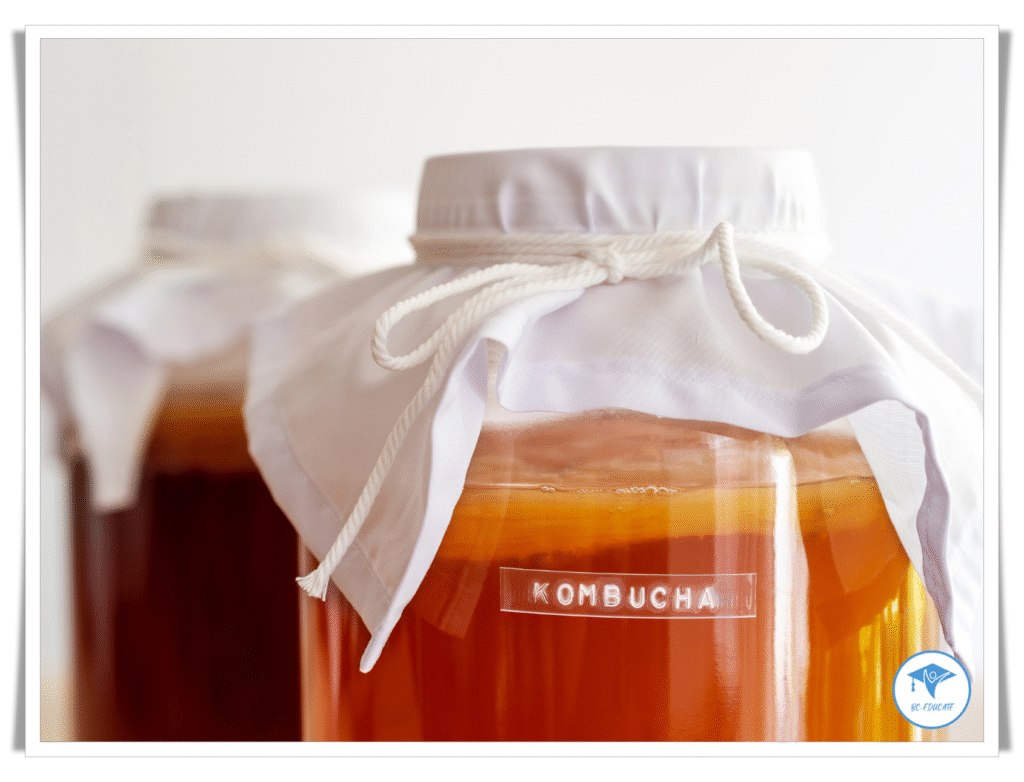
- Cover the jar with a breathable cloth and store in a dark, room-temperature spot.
- Leave undisturbed for 7–10 days.
🧪 Second Fermentation (Optional – 4 Days)
- Remove the SCOBY and store it in a separate jar with 200–300ml of kombucha for future use.
- Bottle the Kombucha:
- Pour the remaining kombucha into sterilized bottles.
- Add flavorings like:
- Ginger + lemon
- Berries + mint
- Citrus zest + turmeric
- Seal & Store:
- Tightly seal the bottles and leave them at room temperature for 3–4 days to carbonate.
- Burp the bottles daily to prevent pressure buildup.
- Refrigerate:
- After carbonation, move bottles to the fridge to stop fermentation.
- Consume within a month.
How Much Kombucha Should You Drink?
Like all functional foods, moderation is key when it comes to kombucha—especially if you're introducing it to your diet for the first time.
🥤 Start Low and Go Slow
If you're new to kombucha or fermented foods in general, it's important to start with small amounts. Begin with 100 to 150 ml (about half a cup) per day for the first 3 to 5 days. This allows your digestive system and gut microbiome time to adjust to the sudden influx of live cultures and organic acids.
Jumping in too fast—especially with a highly active brew—can lead to temporary digestive discomfort, such as:
- Bloating
- Gas
- Loose stools
- Cramping
These symptoms don’t occur in everyone, but they’re more likely in individuals with sensitive digestion or those who rarely consume probiotics.
☕ Maintenance Dose: One Cup a Day
Once your body has adapted, most people can safely enjoy up to one cup (approximately 250 ml) per day as part of a healthy routine. This amount is enough to support gut health without overwhelming your system or introducing too much sugar, especially if you’re also consuming other probiotic foods like yogurt, sauerkraut, or kefir.
Drinking kombucha daily may:
- Promote a balanced microbiome
- Support digestion
- Provide gentle detox support
- Reduce inflammation markers over time
⚠️ But Don’t Overdo It
While kombucha is a natural product, more doesn’t always mean better. Drinking large quantities—especially more than 500 ml per day—can pose several issues:
- Digestive upset due to high acidity and live bacteria
- Excess caffeine (if brewed from black or green tea)
- Too much sugar, particularly in commercial versions that add sweeteners after fermentation
- Mild alcohol intake, as kombucha naturally contains small traces of ethanol (typically under 0.5%, but homemade brews can vary)
Some store-bought kombucha brands may also contain up to 12–16g of sugar per bottle, so always check the label if you’re monitoring your sugar or carb intake.
🧠 Listen to Your Body
As with any dietary change, the key is to pay attention to how your body reacts. If you experience prolonged discomfort, it may be a sign to scale back your intake—or try a milder batch with a shorter fermentation period and lower acidity.
Also, remember that kombucha is not a cure-all, but rather one component of a diverse, whole-food-based lifestyle. Pair it with a high-fiber, nutrient-dense diet for best results.
Who Should NOT Drink Kombucha?
Although kombucha is often marketed as a health drink, it’s not suitable for everyone:
- People with weakened immune systems: Including those on immunosuppressive therapy or with autoimmune conditions—due to potential contamination risks.
- Pregnant women: Kombucha is unpasteurized and could contain harmful bacteria or alcohol traces.
- Young children: Because it’s made with caffeinated tea and has a developing microbial profile, kombucha is not recommended for toddlers or young kids.
📚 Further Reading
Want to understand better how kombucha supports your gut and overall health?
👉 Unveiling the Intricacies of the Human Microbiome
Explore how the trillions of microbes inside you influence immunity, digestion, mood, and more.
Final Thoughts
Kombucha isn’t just a trend—it’s a return to an age-old tradition of fermenting for health. While more human studies are needed, current research and anecdotal evidence point to a host of gut-friendly, antioxidant-rich benefits.
And best of all? You can make it at home with minimal investment and maximum satisfaction.
👉 Whether you're supporting your microbiome, managing your inflammation, or just looking for a delicious, natural soda alternative, kombucha might be exactly what your lifestyle needs.
Ready to brew your own kombucha? Bookmark this recipe, gather your ingredients, and enjoy the process—your gut will thank you!
If you found this article helpful, feel free to share it with fellow health enthusiasts or leave a comment with your favorite kombucha flavor combo! 🍹